Errors on credit reports are more common than people realize. A single mistake can lower your credit score, affect your ability to get a loan, or even cost you a job offer. I have helped friends and family work through the credit report dispute process, and I have seen how a small error can snowball into a major headache if it is not addressed quickly. The good news is that you do not need a lawyer or a paid service to fix these mistakes. With the right steps and a bit of persistence, you can handle this yourself.
Why Errors Happen and Why They Matter
Credit reporting agencies collect data from banks, lenders, and collection agencies. Mistakes can happen when a name is misspelled, a payment is recorded to the wrong account, or a fraudulent account is opened in your name. I once found a credit card account on my report that I never opened. It turned out to be a mix-up with someone who had a similar name. That error alone dropped my score by thirty points until I disputed it.
Even small errors can have big consequences. A late payment that was not late, a duplicate entry, or an incorrect balance can make you look riskier to lenders. That can mean higher interest rates or a flat denial. It is worth your time to check your reports regularly and act when you see something off.
Step One: Get Your Free Credit Reports
You are entitled to one free credit report from each of the three major bureaus every year. Go to AnnualCreditReport.com to request them. Do not use other sites that ask for payment or try to sell you monitoring services. Once you have your reports in hand, go through them line by line. Look for accounts you do not recognize, incorrect balances, wrong dates, or personal information that is not yours. Circle anything that seems wrong.
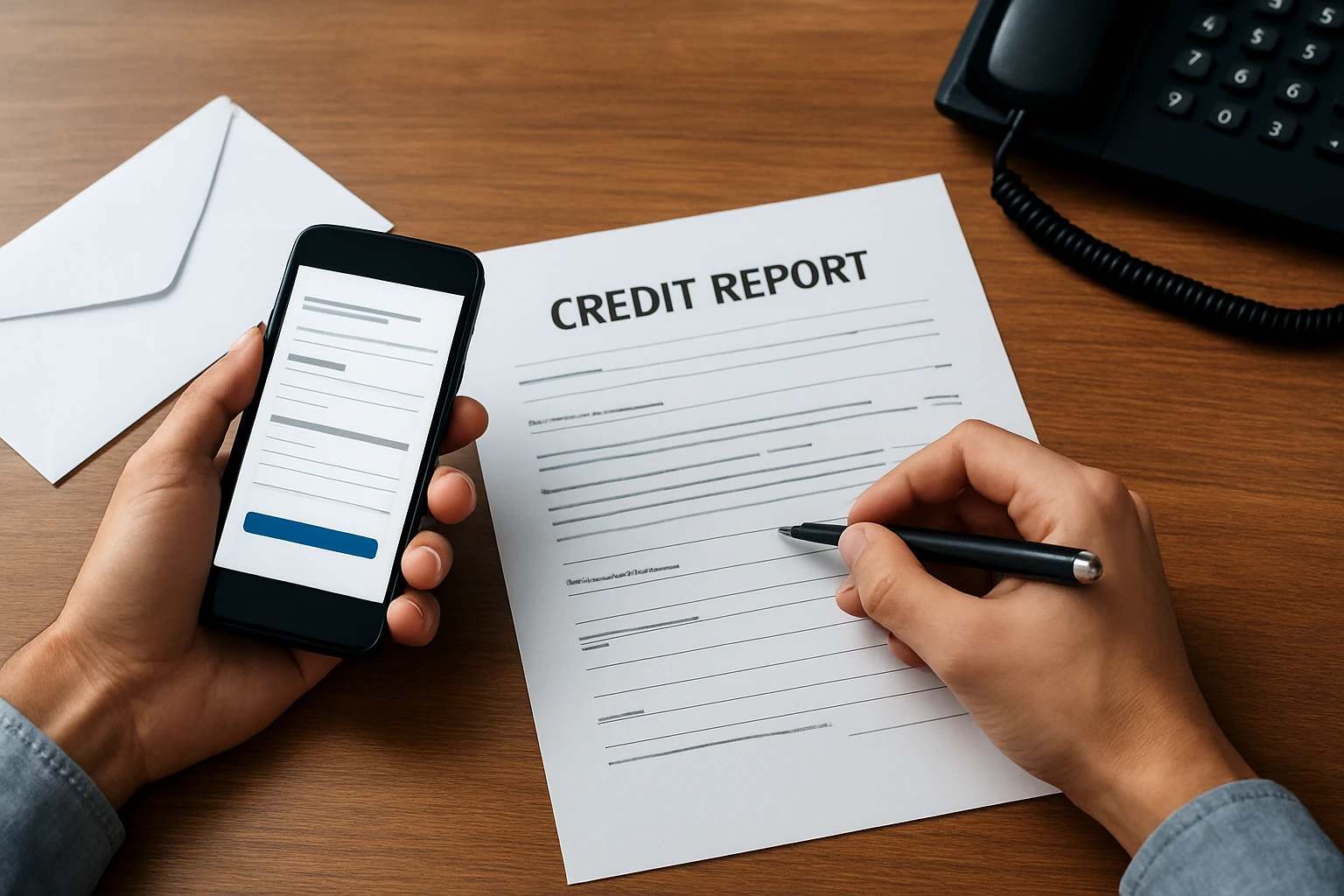
I recommend getting all three reports at once. That way you can compare them and see if an error appears on more than one bureau's report. Sometimes a mistake shows up on just one, which is easier to fix. But if it is on all three, you need to dispute it with each bureau separately.
Step Two: Gather Your Evidence
Before you start the credit report dispute process, collect any documents that support your case. This might include bank statements, payment receipts, a police report for identity theft, or a letter from your lender confirming a payment was made. The more concrete evidence you have, the stronger your dispute will be. I once helped a friend dispute a late payment that was actually paid on time. He had a screenshot of his online payment confirmation and a bank statement showing the withdrawal date. That made the dispute straightforward.
If you are disputing an account that does not belong to you, you may need to provide proof of your identity and a statement that you did not open the account. Some bureaus will also ask for a copy of your driver's license or a utility bill to verify your address.
Step Three: File Your Dispute
You can file a dispute online, by mail, or over the phone. Online is usually fastest, but mail allows you to send copies of your evidence. Each bureau has its own portal: Equifax, Experian, and TransUnion all have dispute pages on their websites. When you file, be clear about what is wrong and why. Do not just say "this is incorrect." Explain exactly what the error is and provide the evidence you gathered.
The credit report dispute process works like this: you submit your dispute, the bureau contacts the data furnisher (the bank or lender that reported the information), and the furnisher must investigate and respond. By law, they have 30 days to complete this. If they cannot verify the information, they must remove or correct it. If they verify it and you still disagree, you can add a statement of dispute to your report.
I once disputed a collection account that was listed as open when it had been paid off. The collection agency took the full 30 days to respond, but eventually they updated the status to "paid in full." My score went up about forty points after that change appeared.

Step Four: Follow Up and Track Progress
After you file, keep a record of everything. Save your dispute confirmation numbers, keep copies of any letters you send, and note the date you filed. The bureaus will send you updates by email or mail. If you do not hear back within 30 days, contact them to check on the status. I have found that being polite but persistent works best. You are not being demanding; you are just making sure your case is being handled.
If the dispute is resolved in your favor, the bureau will send you a free copy of your updated report. Check it to make sure the change was made correctly. If the dispute is denied, you have the right to request a reinvestigation or add a statement explaining your side. You can also take your complaint to the Consumer Financial Protection Bureau if you believe the bureau or the data furnisher acted unfairly.
Common Pitfalls to Avoid
One mistake people make is disputing too many things at once without evidence. The bureaus may flag your dispute as frivolous if you challenge a large number of items without support. Focus on the errors that matter most, and be specific. Another pitfall is waiting too long. The sooner you start, the sooner the error can be corrected. A third issue is ignoring the other two bureaus. If an error appears on all three reports, you must dispute it with each one separately. They do not share information with each other.
I have also seen people rely entirely on credit monitoring services that claim to fix errors automatically. Those services can be helpful for alerts, but they rarely handle the actual credit report dispute process for you. You still need to do the work yourself or pay a premium for hands-on help. Doing it yourself is free and often faster.
When to Seek Help
Most disputes are straightforward, but there are times when you may need professional help. If your identity has been stolen, the process can become complicated. You may need to file a police report, place a fraud alert on your reports, and work with the bureaus to remove fraudulent accounts. In those cases, a credit repair company or a nonprofit credit counselor can provide guidance. But for simple errors, you can handle it on your own.
I once helped a neighbor who had a medical debt that was reported to the wrong credit bureau. It took three rounds of disputes and a letter from the hospital to get it removed. It was frustrating, but each step taught me something about how the system works. The key is not to give up.

Final Thoughts on the Process
The credit report dispute process is not always fast, but it is fair. The law gives you the right to accurate credit reporting, and the bureaus must take your dispute seriously. If you stay organized and follow through, you can fix errors that might otherwise hold you back. I have seen people raise their scores by fifty points or more just by correcting a few mistakes. That can mean lower interest rates on a car loan or a mortgage, which saves real money over time.
Check your reports at least once a year. Set a reminder on your phone, put it on your calendar, or make it part of your spring cleaning routine. When you find an error, act immediately. The longer it stays on your report, the more damage it can do. With a little effort, you can keep your credit history accurate and your score healthy.